Staying hydrated and fuelling up with the right balance of carbs, protein, and fat is key to optimal performance. Nutrition choices can make or break an endurance runner’s health and performance. Yet there’s no one-size-fits-all eating pattern when it comes to identifying the ideal diet.

The nutrition objectives for endurance runners should be to ensure optimal hydration status and maximize muscle glycogen to help them fuel the run.
Why are carbohydrates so important for endurance runners?
In fact, as the primary fuel source needed for endurance exercise (fat being the secondary source), sufficient intake of dietary carbohydrates is critically important for the endurance runner to maintain adequate blood glucose levels, maximize muscle and liver glycogen stores, and replenish glycogen stores after exercise.
What does Glycaemic Index mean?
A figure representing the relative ability of a carbohydrate food to increase the level of glucose in the blood.
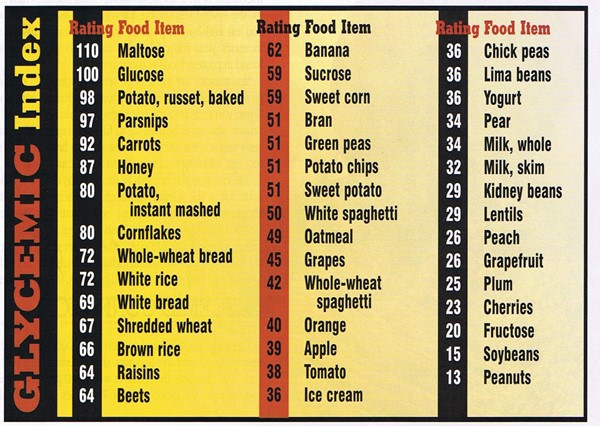
The glycaemic index (GI; /ɡlaɪˈsiːmɪk/[1]) is a number from 0 to 100 assigned to a food, with pure glucose arbitrarily given the value of 100, which represents the relative rise in the blood glucose level two hours after consuming that food.[2] The GI of a specific food depends primarily on the quantity and type of carbohydrate it contains, but is also affected by the amount of entrapment of the carbohydrate molecules within the food, the fat and protein content of the food, the amount of organic acids (or their salts) in the food, and whether it is cooked and, if so, how it is cooked. GI tables, which list many types of foods and their Gis, are available.[3] A food is considered to have a low GI if it is 55 or less; high GI if 70 or more; and mid-range GI if 56 to 69.
The table below provides examples of foods with low, medium, or high GI scores.
| Low-GI foods (under 55) | Medium-GI foods (55-70) | High-GI foods (over 70) |
| rolled or steel-cut oats | brown or basmati rice | russet potatoes |
| barley, bulgar | couscous | white bread |
| butter beans and peas | wholemeal bread | cookies |
| non-starchy vegetables | rye bread | breakfast cereals |
| milk | quick oats | instant pasta |
| sweet potatoes | honey | short-grain white rice |
| most fruits | orange juice | pineapples and melon |
How does nutrition affect the performance of runners?
It determines not just the health of the runner but also affects their peak performance. The nutrition of the runner has three aspects – before the run, during the run and after the run. If these three aspects are well-balanced then runners can expect to perform at their best all the time.
Why do endurance athletes need a balanced diet?
With endurance training, this means higher glycogen requirements too, meaning more carbohydrates. Of course, protein and fat play a vital role in these athletes’ diets too, and they require a balanced diet just as much as any other person. Let’s break these recommendations down some more for each of the macronutrients.
Athletes seldom replace fluids fully due to sweat loss. Proper hydration during training or competition will enhance performance, avoid ensuing thermal stress, maintain plasma volume, delay fatigue, and prevent injuries associated with dehydration and sweat loss.
Does hydration affect endurance performance?
Fluids and hydration in prolonged endurance performance Numerous studies have confirmed that performance can be impaired when athletes are dehydrated. Endurance athletes should drink beverages containing carbohydrate and electrolyte during and after training or competition.
Why is hydration and nutrition so important for runners?
Without proper hydration and nutrition, your body will not have the appropriate amount of energy required to complete longer running distances. The summer training season is a good opportunity to discuss hydration and nutrition tips that all runners should know.
What are the best ways to improve hydration?
Hydration and Performance 1 Aerobic Endurance Exercise. Maintaining fluid and electrolyte balance is crucial for individuals who engage in aerobic endurance exercise. 2 Before Exercise. It is important for people to begin exercise hydrated and with normal electrolyte levels. … 3 During Exercise. …
The body can store 2 hours of glycogen. If doing a long endurance event such as a 3-hour marathon you need to consume carbohydrate to give you enough sugar to fulfil the run. Taking sports drinks and SIS Gels are ideal. For activities of shorter duration drinking plenty of water and milk as a recovery drink is ideal. Sometimes it is difficult to drink lots of water so adding a little cordial can help.
Pre endurance run meals should be high in carbohydrates, low in fat and fibre and include some lean protein. Allow 4-5 hours for larger meals to digest to avoid stomach discomfort during your run. Examples include porridge with fruit and nuts, toast with nut butter and a banana or grilled chicken on a wrap with fruit.

 PatrickDavorenCoaching.